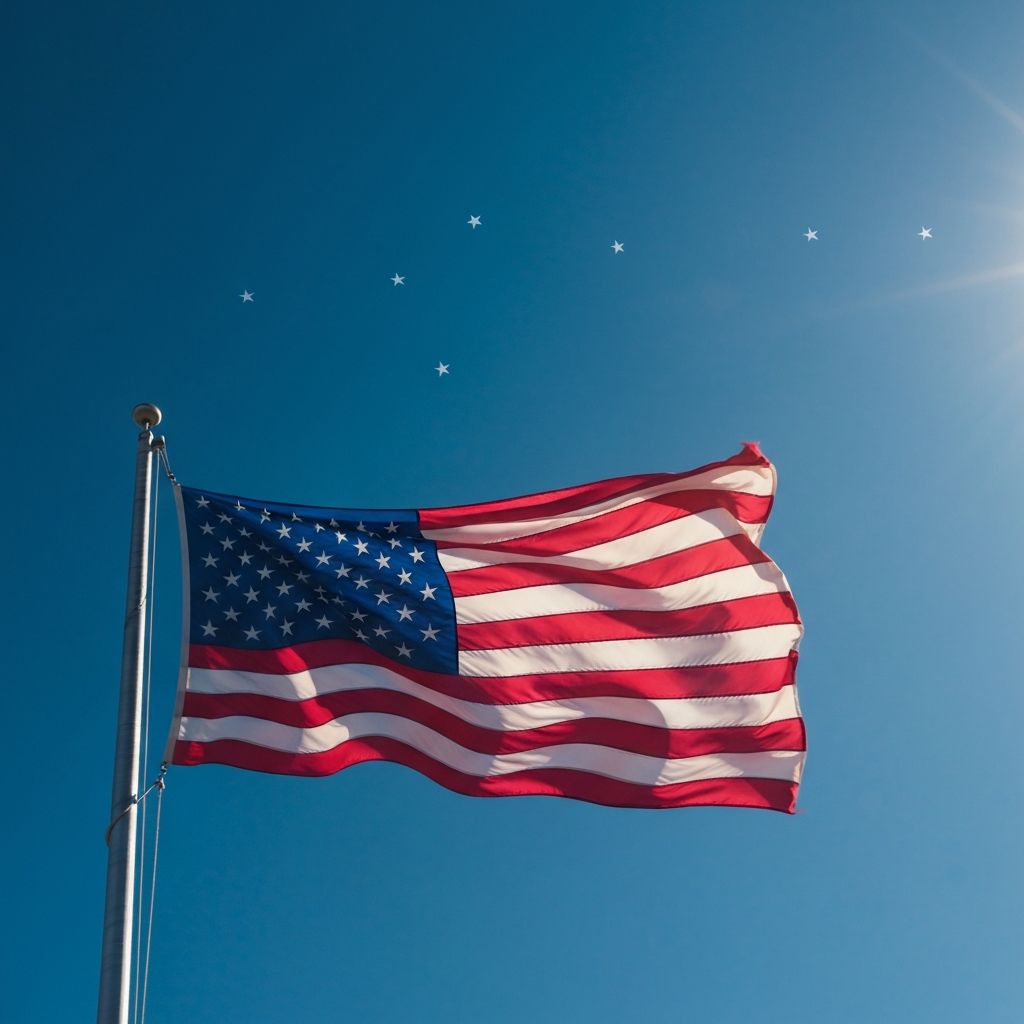
Defending Liberty Since 1791
Freedom of Speech Is the Foundation of Democracy
The First Amendment protects our most fundamental right: the freedom to speak, think, and express ourselves without government censorship. Learn why this right matters and what happens when it's taken away.
The Law of the Land
The First Amendment
Ratified on December 15, 1791, as part of the Bill of Rights
"Congress shall make no law respecting an establishment of religion, or prohibiting the free exercise thereof; or abridging the freedom of speech, or of the press; or the right of the people peaceably to assemble, and to petition the Government for a redress of grievances."
Freedom of Religion
Practice any faith—or none at all
Freedom of Speech
Express your views without censorship
Freedom of the Press
Report news without government control
Right to Assemble
Gather peacefully to protest or advocate
The Foundation of Liberty
Why Free Speech Matters
Freedom of speech isn't just a legal protection—it's the cornerstone of a free society and the enabler of all other rights.
Protection from Tyranny
Free speech prevents governments from silencing dissent and criticism, which is the first step toward authoritarian control.
Marketplace of Ideas
Open debate allows the best ideas to emerge through competition, driving innovation and social progress.
Self-Governance
Democracy requires informed citizens who can freely discuss and debate policies, candidates, and ideas.
Check on Power
The press and citizens can expose corruption, wrongdoing, and abuse of power when speech is protected.
Academic Freedom
Scientific advancement and education depend on the freedom to question, challenge, and explore unpopular ideas.
Political Participation
Citizens must be able to advocate for change, organize movements, and petition their government freely.
"If freedom of speech is taken away, then dumb and silent we may be led, like sheep to the slaughter."
— George Washington
A Global Perspective
Life Without Free Speech
While Americans enjoy First Amendment protections, billions of people around the world face imprisonment, torture, or death for simply speaking their minds.
In the United States
- Criticize the government freely
- Access uncensored internet and social media
- Organize protests and peaceful demonstrations
- Practice any religion or none
In Authoritarian Countries
- Imprisoned for criticizing leaders
- Internet censored and surveilled
- Protesters killed or disappeared
- Religious minorities persecuted
China
Extensive internet censorship (Great Firewall), imprisonment for online criticism, banned social media platforms, and heavy surveillance of all communications.
- Discussion of Tiananmen Square is banned
- Journalists imprisoned for reporting
- Social credit system penalizes speech
- VPNs criminalized for citizens
North Korea
Total information control with no free press, no internet access for citizens, and severe punishment including execution for criticism of the regime.
- No independent media exists
- Foreign media possession is criminal
- Three generations punished for dissent
- Citizens cannot leave the country
Russia
Independent media shut down, journalists assassinated, laws criminalizing 'fake news' about the military, and social media platforms blocked.
- 15 years prison for 'war misinformation'
- Independent news outlets banned
- Protesters arrested and imprisoned
- Opposition leaders jailed or killed
Iran
Internet shutdowns during protests, imprisonment and execution of journalists, mandatory hijab enforcement, and severe restrictions on women's rights activists.
- Protesters killed in the streets
- Social media heavily censored
- Women imprisoned for dress code
- Journalists face execution
Saudi Arabia
No political parties allowed, criticism of the royal family criminalized, and severe punishment for online speech including lengthy prison sentences.
- Blogger sentenced to 1,000 lashes
- Women's rights activists imprisoned
- Journalist murdered for criticism
- Religious speech strictly controlled
Cuba
State controls all media, independent journalism criminalized, limited internet access, and imprisonment for peaceful protest.
- Only state media permitted
- Artists jailed for protest songs
- Internet access restricted and monitored
- Peaceful protesters imprisoned
of the world's population lives in countries with restricted speech
journalists imprisoned worldwide in 2024
countries with severe internet censorship
Freedom of Speech Archive
A comprehensive collection of documents, court cases, historical writings, and educational resources about the First Amendment and freedom of expression worldwide.
- Original Text & MeaningPrimary Source
- Ratification History (1791)History
- Bill of Rights ContextContext
- Founding DebatesPrimary Source
- Freedom of SpeechGuide
- Freedom of the PressGuide
- Freedom of ReligionGuide
- Freedom of AssemblyGuide
- Right to PetitionGuide
- Thomas Jefferson's LettersPrimary Source
- James Madison's NotesPrimary Source
- Benjamin Franklin's EssaysPrimary Source
- George Washington's AddressesPrimary Source
- Full Text with AnnotationsPrimary Source
- Grievances Against the CrownAnalysis
- Natural Rights PhilosophyPhilosophy
- Influence on Bill of RightsHistory
- Schenck v. United States (1919)Case Law
- Brandenburg v. Ohio (1969)Case Law
- New York Times v. Sullivan (1964)Case Law
- Texas v. Johnson (1989)Case Law
- Citizens United v. FEC (2010)Case Law
- Countries with Free SpeechData
- Authoritarian CensorshipReport
- Press Freedom RankingsData
- Internet Censorship MapInteractive
- English Bill of Rights (1689)Primary Source
- Virginia Declaration of RightsPrimary Source
- Federalist Papers #84Primary Source
- John Milton's AreopagiticaPhilosophy
- Social Media & Section 230Analysis
- Campus Free SpeechReport
- Hate Speech vs. Free SpeechAnalysis
- Government SurveillanceReport
Free Speech News
Stay informed with the latest news and developments in free speech, civil liberties, and First Amendment issues from trusted sources.
News aggregated from ACLU, Electronic Frontier Foundation, FIRE, and Reason Magazine
Speak Your Mind Freely
Exercise your First Amendment rights. Share your thoughts anonymously on free speech, democracy, and liberty. No account required.
Recent Voices (0)
300 Years of Progress
The Evolution of Free Speech
The First Amendment didn't appear out of nowhere. It was built on centuries of struggle against censorship and tyranny.
English Bill of Rights
Established freedom of speech in Parliament, laying groundwork for colonial ideas about liberty.
Zenger Trial
John Peter Zenger acquitted for criticizing the colonial governor, establishing truth as a defense against libel.
Declaration of Independence
Founders articulated natural rights philosophy, including the right to speak freely against tyranny.
First Amendment Ratified
The Bill of Rights, including the First Amendment, became part of the U.S. Constitution.
Clear and Present Danger
Supreme Court established the 'clear and present danger' test in Schenck v. United States.
New York Times v. Sullivan
Landmark ruling protecting press freedom by requiring 'actual malice' for public figure defamation.
Brandenburg v. Ohio
Supreme Court established the modern standard: speech is protected unless it incites imminent lawless action.
Texas v. Johnson
Flag burning ruled as protected symbolic speech, affirming protection for unpopular expression.
Spread Freedom to Every Corner of the World
Use these powerful tools to share the message of freedom with millions. Every share, every pledge, every voice matters.
Share Offline with QR Code:
Scan to visit this site
Global Impact
Countries Reached
People Educated
Pledges Signed
Ideas Worth Sharing
Take Action for Liberty
"The tree of liberty must be refreshed from time to time." — Thomas Jefferson
Study the Founders
Read the Federalist Papers, the Declaration of Independence, and original writings on why free speech matters.
Explore ResourcesSupport Organizations
Organizations like FIRE, ACLU, and others defend free speech rights in courts and on campuses—just as the Founders envisioned.
Find OrganizationsExercise Your Rights
The Founders gave you these rights to use. Participate in civic discourse, attend town halls, and make your voice heard.
Get InvolvedFounders' Principles Survey
What would the Founders think today?
"We hold these truths to be self-evident, that all men are created equal, that they are endowed by their Creator with certain unalienable Rights."
— Declaration of Independence, 1776
Question 1 of 8
The Founders believed free speech was a 'natural right' given by God, not government. Do you agree?
What Would the Founders Say?
These questions explore how the Founding Fathers' principles on free speech apply to modern challenges. Your anonymous responses help us understand how Americans connect with these foundational ideals today.
- •Questions inspired by the Declaration of Independence
- •Features quotes from Jefferson, Madison, and Washington
- •See how your views compare to other Americans
- •Completely anonymous—speak freely
Preserve What They Built
"The freedom of speech may be taken away, and dumb and silent we may be led, like sheep to the slaughter." — George Washington
Join the Conversation